

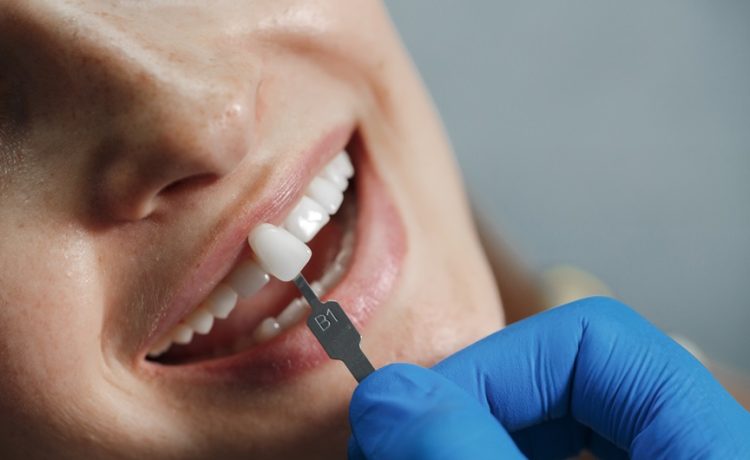
A broad smile can hide the detail that first made someone consider veneers. The concern may appear only when the lips are relaxed: very little upper tooth is visible, one edge attracts attention or the front teeth seem longer than the person would like. Looking only at smiling photographs can miss that starting point.
For London patients exploring veneers, tooth display at rest is therefore a useful subject to bring into the consultation. It is an observation about the relationship between teeth and lips, rather than a diagnosis or an instruction to lengthen the teeth. The right discussion begins with what the individual sees and wants to understand.
Planning Veneers in London Around Tooth Display at Rest
There is no single amount of visible tooth that every patient should aim to achieve. Observational dental research has examined associations between resting incisor display, lip dimensions and facial pattern. Those findings show why the face belongs in assessment; they do not provide a universal cosmetic target or demonstrate that veneers are appropriate for a particular person.
Try to describe the concern without turning it into a measurement first. Perhaps the teeth seem hidden in ordinary conversation, although you like their appearance in a full smile. Perhaps you notice one long edge when the mouth is relaxed. These are different starting points, and a clinician needs to understand which situation matters to you.
Veneer length is only one part of a broader assessment. The position and condition of the teeth, the bite and the surrounding facial context may affect the options. A proposal to show more tooth should explain what would be changed, why that change is suitable and what limits remain. Keeping the current appearance is also a legitimate preference.
Selecting Clinics for a Face-Led Discussion
The practices below publish relevant information about smile records, physical previews, veneer design or alternative treatment mechanisms. The order moves from initial assessment through photographs, moving images, prototypes and laboratory planning. These features can help a patient discuss relaxed-lip appearance more precisely.
The selection covers London and Greater London and uses official service information. It does not establish that every clinic follows a named resting-display protocol, nor does it rank clinical outcomes. The useful comparison is the opportunity to bring this particular concern into a wider examined plan, without allowing a standard smile photograph to define the whole goal.
Top 10 London Veneer Clinics for Discussing Tooth Display at Rest
- MaryleboneSmileClinic
Patients researching veneers London can discuss their resting appearance with MaryleboneSmileClinic, whose Harley Street veneer pathway includes assessment, records and temporary feedback. Those stages offer a framework for making an easily overlooked observation part of the treatment brief.
Explain whether the concern occurs with relaxed lips, during speech or only in a posed smile. If you like some of those views, say so. A request for longer teeth can otherwise obscure the more useful goal of changing one aspect while preserving another.
Ask how the proposed design will be reviewed in the situation that prompted the consultation. The question is whether the plan addresses your actual concern within the clinical findings, rather than whether it produces a more dramatic photograph.
- London Smile Clinic
A close view of the teeth cannot express every preference about the face. London Smile Clinic on Clipstone Street includes face and smile photographs in its design process, providing a wider visual reference for the resting-display discussion.
A useful brief should distinguish your normal resting expression from an expression adopted for the camera. Ask how that difference will be considered during assessment. The clinician can then explain what the records show and whether more information is needed before proposing a change. When a design is presented, bring the discussion back to the ordinary view that interests you. A close-up can show detail, but the patient may judge success through a much broader impression of the face.
- Cosmetic Dentistry Clinic
Photographs and videos form part of the veneer planning described by Cosmetic Dentistry Clinic in South Kensington. Moving images offer a relevant starting point for someone whose concern does not appear consistently in still photographs.
The important observation may be the transition from a smile back to a relaxed mouth. Explain that sequence instead of selecting a single image as proof that a tooth is too short or too long. Ask the team which views they need to understand the issue and how the proposed design would be assessed against them. The practice also describes a temporary prototype, allowing the conversation to develop beyond images. That preview should support an individual decision, without being presented as a guarantee of a particular facial effect.
- Sensu
The desired change should be considered before the procedure is settled. Sensu’s veneer information acknowledges orthodontics as an alternative for suitable patients with healthy crowded teeth, leaving room to discuss position as well as surface shape.
At its Wimpole Street or London Bridge practice, ask whether the concern relates to position, shape or a combination that needs further assessment. The answer may change which options deserve consideration. If veneers remain a reasonable choice, the discussion can then address how much of the proposed effect comes from their shape and what cannot be achieved by that route. Separating the desired observation from a preferred procedure helps keep the consultation open to an appropriate recommendation.
- Dawood & Tanner
A mock-up can make a proposed change easier to discuss than a number. Dawood & Tanner on Upper Wimpole Street describes an in-mouth temporary mock-up used to consider the size, shape, position and bite of planned veneers.
For a resting-display concern, ask to consider the proposal with your lips in their usual relaxed position as well as in a smile. The same patient may welcome a change in one view and find it excessive in another. That response is useful information for the design discussion. It should be considered alongside the clinician’s assessment of function and suitability. The purpose is to identify an acceptable relationship between the views, rather than to maximise the amount of tooth showing.
- Harley Street Dental Studio
A description such as too little tooth can conceal several different preferences. Harley Street Dental Studio’s trial-smile process includes discussion of proposed length and shape, giving the patient a way to make that observation more specific.
Use ordinary comparisons carefully. Saying that you would like the teeth to be more visible at rest is clearer than asking for a younger smile, which can mean different things to different people. Tell the dentist what you already like, too. A slightly different outline may change the impression you notice without matching the example you first brought. The resulting plan should explain the intended change in your own mouth, including the compromises needed to keep it clinically suitable.
- The Welbeck Clinic
Measurements need a purpose within the design brief. The Welbeck Clinic uses photographs, measurements and models in communication with its laboratory; the resting-display concern should be clear enough to inform what those records are intended to achieve.
Ask which observations the technician will receive and how they relate to the agreed design. A measurement can record a feature precisely, yet still leave the reason for changing it unclear. The patient might want less emphasis on one edge rather than longer teeth overall. When the design is reviewed, check that the recorded concern remains recognisable. This helps keep the laboratory brief connected to the patient’s face and preference rather than treating tooth dimensions as an independent cosmetic target.
- DRMR
At DRMR in Knightsbridge, the published veneer sequence includes records and a review of the temporary stage before definitive fitting. That creates a relevant point at which to discuss how a proposed length appears outside the initial consultation.
Be precise about the situation in which a concern arises. If the teeth seem suitable in a smile but too prominent at rest, report both observations. Neither cancels the other, and the clinician needs the complete picture to explain possible adjustments. Avoid deciding that initial unfamiliarity necessarily means the design is wrong, or that it must be ignored. Ask the team how it distinguishes adaptation from a feature that warrants reconsideration, and how any agreed change will be recorded.
- Bespoke Smile
Bespoke Smile offers a handmade Trial Smile through its Upper Wimpole Street practice. A physical preview is relevant to the reader who finds it difficult to imagine how a different tooth outline might look in an ordinary relaxed expression.
Treat the trial as a way to test your preference rather than as an invitation to keep extending the design. Identify the aspect you wanted to explore and describe whether the preview answers it. The dentist can explain what the trial represents and which features of the final restorations may differ. If you remain comfortable with the original appearance, that is useful feedback as well. A consultation should help clarify the value of a proposed change before its practical consequences are accepted.
- Pearl Dental Clinic
Pearl Dental Clinic in Kingston describes both individual veneer treatment and wider veneer work, supported by digital records and a trial smile. This range is relevant when the patient is unsure whether one tooth or a larger group creates the resting appearance they notice.
Ask the clinician to identify the contribution of each proposed restoration. A concern about one visible edge does not by itself establish the need for several veneers. Conversely, a wider relationship may require discussion even when only one tooth first caught your attention. The useful outcome is a clear explanation of scope: which teeth would change, which would remain and why that arrangement is suitable. The treatment count should follow that assessment rather than determine it.
A Resting Expression Worth Recording
Before the consultation, write down when you notice the issue and what you would prefer to preserve. This can be more useful than collecting a large set of idealised smiles. A reference photograph may help communicate taste, but another person’s lip position and dental anatomy do not establish what is appropriate for yours.
During assessment, ask the dentist to show you the relationship being discussed. If a measurement is used, request an explanation of its role in this particular plan. A number can describe a starting point or proposed change without becoming a universal standard of attractiveness. The clinical recommendation should still account for the teeth, bite and face as a whole.
Finally, agree how you will revisit the original observation when considering a preview or definitive proposal. Keep the language consistent: a relaxed expression, the same concern and a clear description of the desired difference. That makes it easier to assess whether the plan answers your question, rather than simply producing a different smile.
Source note: Official clinic descriptions informed the service comparisons. Observational research on incisor display and lip and facial characteristics informed the discussion of individual variation; it does not prescribe a cosmetic measurement or establish suitability for veneers.
