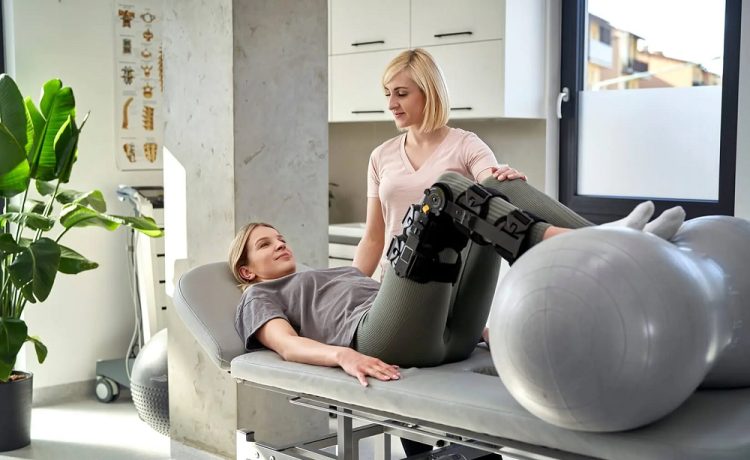
For generations, medical recovery was characterized by long hospital stays, prolonged immobilization, invasive procedures, and open-ended rehabilitation schedules. Healing from major surgery or acute trauma often meant weeks of bed rest, high risks of hospital-acquired complications, and significant disruption to daily life.
Over the past two decades, a fundamental shift has taken place across surgical, regenerative, pharmacological, and digital healthcare sectors. The modern clinical objective is no longer just procedural success; it is the swift, safe restoration of baseline physiological function. Driven by breakthroughs in engineering, molecular biology, and personalized data, modern medical innovations are dramatically shortening recovery trajectories while elevating patient safety and long-term outcomes.
Minimally Invasive and Robotic-Assisted Surgery
The single greatest catalyst for shortened physical recovery has been the transition from large open incisions to minimally invasive techniques. Traditional open surgeries required cutting through substantial layers of skin, fascia, and muscle tissue simply to provide the surgeon with visual and physical access to internal organs. This collateral tissue trauma was often the primary source of postoperative pain, blood loss, and prolonged bed rest.
Minimally invasive surgery, encompassing advanced laparoscopy, endoscopy, and robotic platforms, has transformed this paradigm.
Key clinical advantages of robotic-assisted and minimally invasive platforms include:
-
High-definition three-dimensional visualization: Surgeons operate with magnified, stereoscopic views of anatomical structures, allowing for delicate dissection and preservation of adjacent nerves and blood vessels.
-
Articulated micro-instrumentation: Robotic wrists rotate with degrees of freedom exceeding the human hand, filtering out physiological tremors and enabling complex maneuvers through incisions smaller than a dime.
-
Minimized tissue dissection: Entering internal cavities through ports or natural orifices avoids large muscle disruptions, reducing localized inflammatory responses.
-
Reduced blood loss and infection rates: Smaller wounds lower the requirement for perioperative blood transfusions and drastically decrease the risk of surgical site infections.
Procedures that once mandated a week in a hospital ward, such as radical prostatectomies, hysterectomies, and colorectal resections, are now routinely completed on an outpatient basis or with an overnight observational stay. Patients mobilize within hours of waking, preventing complications associated with stasis like deep vein thrombosis and pulmonary atelectasis.
Enhanced Recovery After Surgery Protocols
Shortened recovery is not solely the result of advanced hardware; it is equally driven by the systematic reorganization of perioperative care. Enhanced Recovery After Surgery (ERAS) protocols represent evidence-based, multidisciplinary frameworks designed to minimize surgical stress and maintain normal physiological function throughout the entire surgical journey.
Traditional surgical care relied on historical dogmas: strict fasting from midnight, heavy preoperative bowel prep, high-volume intraoperative intravenous fluid loading, and prolonged postoperative bed rest paired with heavy opioid sedation. ERAS systematically dismantled these outdated practices.
Core components of modern ERAS programs encompass three distinct phases:
-
Preoperative optimization: Patients receive clear carbohydrate-loading liquids up to two hours prior to anesthesia induction to avoid metabolic starvation. Nutritional status is screened, anemia is corrected, and patients receive structured education on what to expect post-surgery.
-
Intraoperative management: Anesthesiologists utilize goal-directed fluid therapy with advanced hemodynamic monitoring to prevent tissue edema. Short-acting anesthetic agents and regional nerve blocks are prioritized to minimize systemic narcotic exposure.
-
Postoperative mobilization: Urinary catheters and surgical drains are removed rapidly, often within hours of surgery. Patients are encouraged to consume solid food and ambulate on the day of the operation, stimulating gastrointestinal motility and reducing the incidence of postoperative ileus.
By blunting the neuroendocrine and metabolic stress response of surgery, ERAS protocols have cut hospital lengths of stay by thirty to fifty percent across general, orthopedic, and thoracic specialties without increasing readmission rates.
Orthobiologics and Regenerative Therapies
Healing soft-tissue trauma, chronic tendon pathology, and joint degeneration historically relied on conservative immobilization or invasive reconstructive surgery. Today, the burgeoning field of orthobiologics utilizes the body’s own biological signaling molecules and cellular machinery to accelerate structural tissue repair.
Rather than merely managing symptoms with synthetic anti-inflammatory drugs, regenerative medicine introduces concentrated cellular elements directly into injured zones to trigger organized tissue synthesis.
Prominent orthobiologic applications include:
-
Platelet-Rich Plasma (PRP): Autologous blood is centrifuged to concentrate platelets rich in growth factors, including transforming growth factor-beta and vascular endothelial growth factor. When injected into damaged tendons or ligaments, PRP stimulates angiogenesis, recruits local stem cells, and accelerates collagen synthesis.
-
Bone marrow aspirate concentrate: Delivering concentrated progenitor cells, cytokines, and signaling molecules into non-union bone fractures or degenerated cartilage matrices promotes localized tissue regeneration and reduces local joint inflammation.
-
Acellular dermal matrices and bio-scaffolds: In complex wound care and soft-tissue repairs, bioengineered collagen scaffolds provide an extracellular framework that guides host cell migration, accelerating tissue closure and structural integration.
These biologic interventions allow athletes and everyday patients recovering from rotator cuff repairs, Achilles tendon tears, and complex bone fractures to return to full weight-bearing and functional movement weeks ahead of conventional healing timelines.
Multimodal Non-Opioid Pain Management
Pain control is one of the most critical determinants of recovery speed. Severe postoperative or post-injury pain elevates systemic stress hormones, impairs respiratory mechanics, and prevents early physical therapy. Historically, high-dose opioid medications were the default tool for pain suppression. However, the side effects of opioids—severe nausea, constipation, sedation, cognitive impairment, and respiratory depression—frequently become primary barriers to discharge and functional rehabilitation.
The modern standard of care emphasizes multimodal analgesia, which targets pain pathways at multiple anatomical points using non-opioid mechanisms:
-
Ultrasound-guided regional nerve blocks: Anesthesiologists deposit long-acting local anesthetics around specific peripheral nerve bundles, numbing only the operative limb or surgical field for twenty-four to seventy-two hours while preserving central cognitive lucidity.
-
Targeted non-opioid pharmacotherapy: Combining scheduled acetaminophen, nonsteroidal anti-inflammatory drugs (NSAIDs), and membrane stabilizers like gabapentinoids blunts central and peripheral pain signaling before surgical trauma even occurs.
-
Liposomal bupivacaine infiltration: Surgeons inject long-acting local anesthetic suspensions directly into the wound edges, releasing pain-relieving molecules steadily over several days to facilitate pain-free early walking.
By preserving mental clarity and eliminating opioid-induced gastrointestinal paralysis, patients can actively participate in aggressive, early physical therapy routines the day of their procedure.
Smart Rehabilitation and Remote Therapeutic Monitoring
Recovery does not end when a patient walks out of the clinical facility; the post-acute rehabilitation window is where long-term functional recovery is solidified. Digital health tools, wearable biomechanical sensors, and connected therapeutics have transformed the post-discharge landscape.
Patients undergoing orthopedic reconstruction or neurological recovery no longer rely solely on intermittent, once-a-week physical therapy appointments.
Modern rehabilitation platforms deliver real-time data to clinical teams through:
-
Wearable motion sensors: Lightweight sensors strapped to an injured limb measure joint angles, range of motion, movement velocity, and compliance with home exercise programs, alerting physical therapists when form deviates or progress stalls.
-
Computer vision applications: Tablet and smartphone cameras analyze real-time movement kinematics during home exercise, providing instant auditory and visual feedback to ensure proper biomechanical execution.
-
Smart dynamic braces and continuous passive motion devices: Connected orthopedic braces modulate resistance levels automatically based on patient tolerance, tracking weight-bearing distribution and swelling metrics in real time.
Continuous clinical visibility prevents secondary complications, catches movement compensatory patterns early, and keeps patients actively engaged in their daily physical recovery.
Frequently Asked Questions
How does early postoperative walking prevent serious medical complications?
Early ambulation activates the calf muscle pump, which promotes venous blood return to the heart and prevents blood stagnation in the lower limbs, drastically reducing the risk of deep vein thrombosis and pulmonary embolism. Additionally, walking forces full lung expansion, clearing residual secretions and preventing atelectasis (collapsed lung tissue) and postoperative pneumonia.
Can minimally invasive surgery be used for complex emergency procedures?
While minimally invasive surgery is common in elective cases, its emergency use depends on patient stability and pathology. Conditions like acute appendicitis, cholecystitis, and perforated ulcers are frequently managed laparoscopically. However, when severe internal hemorrhage or widespread abdominal trauma occurs, surgeons still rely on open surgery for rapid stabilization and comprehensive visibility.
Are orthobiologic treatments like platelet-rich plasma covered by standard insurance plans?
Coverage for orthobiologic therapies varies considerably. While some advanced bioengineered scaffolds and bone graft substitutes used in operating rooms receive standard coverage, outpatient injections like platelet-rich plasma and autologous cell therapies are frequently categorized as investigational or elective by major insurance providers, often requiring out-of-pocket payment.
Why is preoperative carbohydrate loading preferred over the traditional overnight fasting rule?
Strict fasting from midnight depletes liver glycogen reserves, inducing a state of acute insulin resistance and dehydration. Consuming clear complex carbohydrate drinks two hours prior to surgery maintains normal metabolic balance, reduces postoperative nausea and thirst, preserves lean muscle tissue, and shortens the time required for normal gut motility to return.
What is the primary difference between a peripheral nerve block and general anesthesia?
General anesthesia renders the patient completely unconscious and unresponsive to pain throughout the entire body, requiring mechanical airway management. A peripheral nerve block injects local anesthetic directly around specific nerves feeding a target limb or region, temporarily numbing only that area. Nerve blocks can be used alongside light sedation, avoiding the cognitive grogginess and respiratory risks associated with deep general anesthesia.
How do wearable motion sensors improve physical therapy compliance at home?
Wearable sensors gamify home exercise routines by providing immediate performance metrics, validating that movements are performed through correct ranges of motion, and preventing overexertion. Furthermore, because patients know their physical therapy team receives objective compliance data in real time, accountability and adherence rates increase substantially.
Do advanced recovery protocols increase the risk of patients being discharged too early?
No. Comprehensive protocols like ERAS utilize strict, objective discharge criteria rather than arbitrary calendar days. A patient is only discharged when vital signs are stable, surgical pain is well controlled with oral medications, normal solid food is tolerated without nausea, independent mobility is verified, and normal bowel and bladder function have returned.