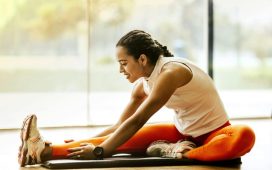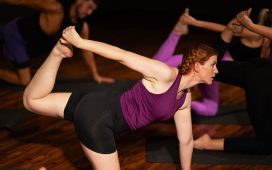
Stress has become a defining feature of modern living in Singapore. From high-pressure work environments to long commutes and a fast-paced lifestyle, many people experience constant tension in both mind and body. In recent years, more individuals have sought holistic solutions to manage this stress, and yogalates singapore has emerged as a preferred choice. By blending yoga’s mindfulness with Pilates’ precision, Yogalates offers a powerful system for reducing stress, regulating hormones, and restoring mental clarity.
Understanding the Connection Between Stress and the Body
Before exploring how Yogalates provides relief, it is essential to understand the physiological impact of stress.
-
Cortisol production: Stress triggers the release of cortisol, a hormone that in excess can cause fatigue, anxiety, and weight gain.
-
Muscle tension: Stress often manifests physically as tight shoulders, clenched jaws, and stiff spines.
-
Poor breathing habits: Shallow breathing reduces oxygen intake and fuels restlessness.
-
Sleep disruption: Chronic stress interferes with deep sleep cycles, leading to daytime exhaustion.
The longer stress remains unmanaged, the greater the impact on both physical and emotional health. This is why structured practices such as Yogalates are becoming so valuable in Singapore.
How Yogalates Combines Movement and Mindfulness
Yogalates unites two systems that have proven stress-relieving effects.
-
Yoga principles: Encourage slow, mindful breathing, stretching, and meditation to relax the nervous system.
-
Pilates principles: Focus on controlled, precise movements that engage the core and release built-up tension.
Together, they create a practice that balances strength with relaxation. Unlike high-intensity workouts that may spike cortisol levels temporarily, Yogalates provides a calm yet effective exercise experience that supports stress management.
Stress Relief Through Controlled Breathing
One of the most powerful aspects of Yogalates is its emphasis on conscious breathing. Slow, rhythmic inhalations and exhalations stimulate the parasympathetic nervous system, also known as the “rest and digest” response.
-
Deep breathing lowers blood pressure.
-
It reduces muscle tension.
-
It helps regulate emotions by calming the mind.
Many Singaporeans find that breathing techniques learned in Yogalates classes can be applied during work presentations, traffic jams, or before sleep to reduce anxiety in real time.
Reducing Cortisol and Enhancing Mental Clarity
Scientific studies have shown that mindful movement practices help regulate cortisol production. By focusing on alignment, controlled muscle activation, and mindful stretching, Yogalates gradually reduces the physiological markers of stress.
Participants often report:
-
Improved concentration at work.
-
Fewer headaches caused by tension.
-
Stable energy levels throughout the day.
-
Better mood regulation with fewer emotional outbursts.
This makes Yogalates not only a physical workout but also a mental wellness tool for people in Singapore who live demanding lives.
Why Yogalates Fits Singapore’s High-Stress Culture
Singapore ranks among the busiest financial and business hubs in the world. Long office hours, tight deadlines, and the pressure to perform often result in chronic stress. Yogalates is particularly effective here because it addresses both the physical and mental strain of this lifestyle.
-
Office professionals benefit from stretching tight muscles caused by sitting at a desk all day.
-
Parents and caregivers release tension while building strength and stability for daily responsibilities.
-
Students find calmness and improved focus during exam preparation periods.
By providing both relaxation and physical conditioning, Yogalates offers a balanced antidote to modern stress.
The Role of Movement in Emotional Release
Movement is a proven way to release pent-up emotions. Yogalates sequences often include fluid stretches combined with strengthening moves that allow participants to let go of mental tension stored in the body. For example:
-
Gentle spinal twists release stiffness from long hours of sitting.
-
Hip-opening postures help relieve emotional stress and anxiety.
-
Controlled abdominal work strengthens resilience and promotes inner stability.
When practiced consistently, these movements retrain the body to release rather than hold stress.
The Sleep Benefits of Yogalates
Stress and sleep are closely linked. High cortisol levels keep the mind alert, making it difficult to fall asleep or stay asleep. Yogalates helps to counter this in several ways:
-
Encourages deeper breathing before bedtime.
-
Reduces physical discomfort that often disrupts sleep.
-
Promotes a calmer mental state through mindful movement.
Better sleep directly contributes to improved focus, mood stability, and energy the following day.
A Holistic Practice That Goes Beyond Exercise
Unlike quick-fix relaxation techniques, Yogalates provides lasting benefits by reshaping how the body responds to stress. Over time, participants become more aware of posture, breathing, and emotional triggers, enabling them to manage stress proactively instead of reactively.
This long-term impact is why Yogalates continues to gain popularity across Singapore’s wellness scene. Studios such as Yoga Edition offer structured classes that make it accessible to people at all fitness levels, ensuring participants can steadily build both resilience and relaxation.
Practical Tips for Using Yogalates to Reduce Stress
-
Be consistent: Attend at least two to three sessions per week to develop a rhythm.
-
Focus on breath: Pay attention to breathing as much as to physical movement.
-
Start slow: Avoid pushing too hard, as stress relief comes from mindful pacing.
-
Integrate at home: Practice short sequences in the morning or before bed for ongoing benefits.
-
Personalise your practice: Choose variations suited to your fitness level and goals.
Frequently Asked Questions
Q. How soon can I feel stress relief from Yogalates?
Most participants feel relaxed after their very first session. However, long-term stress reduction is most noticeable after a few weeks of consistent practice.
Q. Is Yogalates suitable for people with high-pressure jobs?
Yes, in fact it is one of the most recommended practices. The combination of physical release and mental calmness helps professionals manage deadlines, presentations, and workplace challenges more effectively.
Q. Can Yogalates replace meditation for stress relief?
Yogalates incorporates mindfulness, but it is not a direct replacement for meditation. Instead, it complements meditation by offering both physical release and mental focus.
Q. Does Yogalates help with anxiety-related health issues?
Yes. By lowering cortisol, improving breathing, and stabilising mood, Yogalates can reduce the physical and mental symptoms of anxiety. That said, those with diagnosed conditions should consult healthcare providers before relying solely on exercise.
Q. How is Yogalates different from other relaxation techniques?
Unlike passive relaxation methods, Yogalates engages the body while calming the mind. This makes it more effective for people who struggle to sit still for long meditation sessions.